


Feeder Report 2026 - Marine Geoengineering
Executive Summary
Marine geoengineering (mGE) remains primarily at the conceptual or experimental stage, with no large-scale operational deployment in the OSPAR Maritime Area to date. Globally, the OSPAR Maritime Area hosts 48 of 147 recorded mGE projects, reflecting significant regional interest. Biomass cultivation and sinking, principally involving kelp and Sargassum, is the most commonly researched approach across all OSPAR Regions, driven by the relative feasibility of seaweed cultivation at scale and the assumption of co-benefits such as habitat creation and nutrient cycling. Ocean alkalinity enhancement (OAE) trials are clustered in the United Kingdom in the Greater North Sea (Region II), and marine albedo enhancement efforts have focused on the Fram Strait and Svalbard in Arctic Waters (Region I). Just outside the OSPAR Maritime Area, artificial upwelling and downwelling projects have been pursued in the Canary Islands.
Since 2020, mGE research has accelerated markedly. The number of marine carbon dioxide removal (mCDR) start-ups globally approximately doubled between 2015–2020 and again between 2020–2025, with more than fifty identified globally by 2025. OAE has gained particular traction in coastal industrial regions, exemplified by the Planetary Technologies trial in Cornwall, while biomass-based projects have progressed from theoretical frameworks to pilot-scale experimentation, including Running Tide's kelp sinking trials in Icelandic waters and the Macrocarbon SL project in the Canary Islands. A defining feature of this trend is the growing role of private sector actors, including start-ups operating on the pre-sale of carbon credits, which has accelerated the pace of experimentation but also reduced transparency and introduced potential conflicts of interest between commercial and scientific objectives.
The economic picture for mGE is characterised by high uncertainty. Cost estimates for carbon removal range from USD $20 to over USD $500 per tonne of CO₂ for biomass sinking, and USD $70–$295 per tonne for OAE, depending heavily on assumptions about permanence, logistics, and monitoring. Most business models currently rely on carbon credit markets, the credibility of which depends on robust monitoring, reporting and verification (MRV) frameworks that are not yet well established. Some projects seek to diversify revenue through co-products such as biofuels, fertilisers, and animal feed, though these do not constitute carbon removal unless sequestration is verified. Private financing plays a substantial role but remains opaque; public funding contributes but similarly lacks comprehensive independent verification mechanisms.
mGE interventions, while potentially contributing to climate mitigation, carry significant ecological and socio-economic risks. Ecological pressures include altered nutrient cycling, changes to phytoplankton community structure and benthic habitats, oxygen depletion from biomass decay, shifts in carbonate chemistry affecting calcifying organisms, and the spread of non-native species. Marine albedo modification and cloud brightening could generate regionally uneven climatic effects extending to terrestrial systems through altered hydrological cycles. The scale at which interventions would need to operate to produce measurable climatic benefit would amplify these risks substantially, with the potential for basin-scale ecological change. A further concern is that promotion of mGE approaches, particularly when driven by commercial interests, could reduce pressures on states and corporations to pursue the structural emissions reductions necessary to reach climate neutrality. Socio-economic impacts are mixed: seaweed cultivation may create employment and new markets aligned with EU blue economy strategies, but fisheries, tourism, and coastal communities could face disruption. Local communities have already opposed proposed trials, including in Cornwall, citing inadequate transparency and consultation.
Governance of mGE is anchored at the global level in the London Convention (1972) and London Protocol (1996) (LC/LP), which establish a precautionary, science-based approach. The 2013 Amendment to the London Protocol, which creates a permitting and risk assessment framework initially focused on ocean fertilisation, has been ratified by nine states, six of which are OSPAR Contracting Parties (Denmark, Finland, Germany, the Netherlands, Norway, and the United Kingdom). The Amendment has not yet entered into force. At their 2023 meeting, LC/LP Contracting Parties reaffirmed that mGE activities other than legitimate scientific research should be deferred, given the considerable uncertainty around environmental impacts. Work is ongoing to expand assessment frameworks to cover OAE and biomass sinking. The Joint Group of Experts on the Scientific Aspects of Marine Environmental Protection (GESAMP), an advisory body to the United Nations (UN) system on the scientific aspects of marine environmental protection, Working Group 41 is developing an Integrated Assessment Framework to provide structured criteria for evaluating ecological, economic, and social impacts of different techniques, though this work is not yet finalised. Within OSPAR, Decision 2007/01 prohibits storage of carbon dioxide streams in the water column or on the seabed, and the precautionary principle and ecosystem approach provide a legal and policy basis for addressing mGE activities, with ongoing discussions on how existing obligations apply to emerging techniques.
At national level, Germany has explicitly prohibited all mGE activities except ocean fertilisation for research purposes, with legislation under revision to allow research on additional techniques. The Netherlands implemented the 2013 Amendment through a 2018 act requiring the application of LC/LP assessment frameworks, now embedded in the 2024 Environment and Planning Act. The United Kingdom applies existing regulatory frameworks on a risk-based basis, requiring environmental monitoring and mechanisms for immediate suspension in case of environmental risk.
A significant and growing gap exists between the pace of technological and commercial mGE activity and the development of clear, enforceable oversight arrangements. OSPAR may wish to strengthen regional coordination and engagement with global frameworks, including LC/LP and GESAMP, to address scientific knowledge gaps, promote systematic information-sharing on research permitting and monitoring outcomes among Contracting Parties, and ensure coherence between climate policy and marine environmental protection as this field continues to evolve rapidly.
Introduction
1.1. This report summarises the status of marine geoengineering within the OSPAR region and measures taken to manage its environmental impacts. It briefly notes key messages from the Quality Status Report (QSR) 2023 and the Intermediate Assessment (IA) 2017, and reports on progress since then. Sections 2-4 describe activity, trends, and future trajectories, Sections 5-6 examine impacts and governance, and Section 7 summarises national and regional measures.
1.2. According to the definition adopted by the 1972 London Convention and the 1996 London Protocol (LC/LP), marine geoengineering (mGE) refers to ‘a deliberate intervention in the marine environment to manipulate natural processes, including to counteract anthropogenic climate change and/or its impacts, and that has the potential to result in deleterious effects, especially where those effects may be widespread, long-lasting or severe’ (Resolution LP.4(8) 2013). The main approaches under consideration in the OSPAR Maritime Area are: biomass cultivation and sinking (typically large-scale seaweed farming for long-term carbon storage), ocean alkalinity enhancement (adding alkaline minerals to seawater to increase CO₂ uptake), ocean fertilisation (stimulating plankton growth with added nutrients), marine albedo modification (using reflective materials to reduce heat absorption, mainly in Arctic Waters (Region I)), cloud brightening, and artificial upwelling or downwelling (pumping nutrient-rich or carbon-rich waters to influence productivity and storage). Each technique carries different opportunities and risks, with varying levels of maturity, scalability, and governance needs. The capture and storage of carbon in sub-seabed geological formations (CCS) is occasionally considered to be a geoengineering technique. However, CCS techniques are not included within the present report.
1.3. Marine geoengineering is subject to international and regional governance arrangements, most notably under the LC/LP, which establish a precautionary approach to activities involving the deliberate placement of materials into the marine environment. Within the OSPAR framework, there is information sharing including on some research activities for marine geoengineering techniques in the OSPAR Maritime Area. The evolution of these governance arrangements, including the status and application of relevant LC/LP instruments and national implementation by Contracting Parties, is addressed in detail in Section 6.
Distribution, Intensity and Trends
2.1. mGE research has expanded significantly over the last decade, both globally and within the OSPAR Maritime Area. Distribution of activities is uneven, reflecting the geographical suitability of techniques, availability of infrastructure, and the concentration of research institutions and private ventures. While several pilot studies, including field trials, have emerged, mGE remains primarily at the conceptual or experimental stage, with no large-scale operational deployment to date. Its potential effects on marine ecosystems are not yet well understood, and Contracting Parties under the LC/LP have repeatedly highlighted that based on the current evidence there is the potential for widespread, long-lasting or severe environmental impacts from marine geoengineering activities. International scientific coordination on marine geoengineering and ocean-based climate intervention has been advanced through the Joint Group of Experts on the Scientific Aspects of Marine Environmental Protection (GESAMP). Since 2019, GESAMP Working Group 41 (WG41) has undertaken a structured review of ocean-based climate intervention concepts and activities, drawing on peer-reviewed literature and a curated inventory of ongoing and proposed projects. This work is to assess the scientific basis, potential effectiveness, environmental risks, and governance challenges associated with different approaches.
2.2. The project inventory reviewed by WG41 spans a wide range of intervention types, most of which remain at an early, experimental, or conceptual stage. These include:
- ocean fertilisation experiments intended to stimulate biological carbon uptake;
- ocean alkalinity enhancement approaches aimed at increasing seawater carbon storage;
- seaweed-based and other biomass cultivation concepts linked to carbon removal;
- artificial upwelling and downwelling proposals designed to alter nutrient or carbon distributions; and
- a smaller number of concepts related to physical or thermodynamic modification of ocean properties.
2.3. Many of the initiatives identified are modelling studies, laboratory experiments, or small-scale field trials, with limited information available on long-term effectiveness, environmental side effects, or cumulative impacts.
2.4. GESAMP’s review work highlights specific marine challenges, including the difficulty of distinguishing legitimate scientific research from de facto deployment and the potential for transboundary environmental effects. These findings reinforce the need for precaution, transparency, and international coordination and regulation, and provide an important scientific reference point for OSPAR and its Contracting Parties when considering the relevance and potential implications of emerging marine geoengineering approaches within the OSPAR Maritime Area.
Global Distribution
2.5. The global distribution of marine geoengineering activities is uneven and shaped by a combination of environmental, institutional, financial and regulatory factors. Recent mapping exercises show increasing mGE activities in the Caribbean, Central America, and the wider Global South (Greenpeace, FOEI, and ACOPS, 2025). Field trials in Antigua and Barbuda, Mexico, Barbados, Panama and the Gulf of Mexico have primarily focused on biomass sinking using cultivated or wild Sargassum (examples of projects include SeaGen, SOS Carbon, Seafields, Pull to Refresh, Carboniferous).
2.6. For example, SeaGen has secured a 49-year lease on 500 km² of ocean in Antigua’s exclusive economic zone to test robotic seaweed sinking systems, while SOS Carbon has conducted seaweed biomass pumping trials in Dominican Republic waters, supported by the national navy (IMO, 2025). The Pull to Refresh project, based in the USA, has opened a factory in Panama to construct autonomous “BoatBots” designed to sink Sargassum offshore (IMO, 2025). These case studies highlight the regional expansion of biomass-based research into Global South contexts, showing how projects are being tailored to local ecological conditions and infrastructure availability.
2.7. Other marine geoengineering approaches show strong regional specificity linked to underlying oceanographic conditions and resource availability. Proposals for ocean fertilisation are largely confined to high-nutrient low-chlorophyll (HNLC) regions such as the Southern Ocean and North Pacific (Williamson et al., 2012; Oschlies et al., 2010). It should be noted that no such regions fall within the OSPAR Maritime Area. Ocean alkalinity enhancement (OAE) has attracted attention in sub-polar oceans (e.g., the North Pacific, Southern Ocean) as well as regions with large accessible carbonate mineral deposits, including parts of the Mediterranean (Caserini et al., 2022).
2.8. Marine albedo enhancement and cloud brightening projects are currently focused on the Arctic, North Atlantic shipping lanes, and coastal upwelling systems off western continents (Jones et al., 2009; Crook et al., 2016). For example, The Arctic Ice Project, supported by US and Norwegian partners, has conducted small-scale research into the feasibility of reflective materials in the Fram Strait and Beaufort Gyre, with the aim of slowing sea ice melt (Field et al., 2018; Ivanova et al., 2021; Ivanova et al. 2025). The Antarctic is also receiving increased attention with new projects to stabilise sea ice, as mentioned recently in a Scientific Committee on Antarctic Research (SCAR) paper at the Antarctic Treaty Consultative Meeting (ATCM).
2.9. Artificial upwelling/downwelling projects have been clustered in subtropical regions such as the Canary Islands, where the Ocean ArtUp initiative has, since 2017, tested nutrient enrichment mesocosms and wave-driven pumps designed to stimulate phytoplankton growth (Ortiz et al., 2022a; Ortiz et al., 2022b).
2.10. ACOPS (2023) further notes that the most advanced mGE initiatives often comprise multiple sub-projects operating across different regions. These may be coordinated by the same consortium or supported by shared financial and technical partners, resulting in interlinked field trials, technology development efforts, and cross-regional knowledge exchange. Such linkages can accelerate innovation but also complicate oversight, as activities carried out under separate national jurisdictions may in practice form parts of a single global project or technology pathway.
Distribution in the OSPAR Maritime Area
2.11. Within the OSPAR Regions, ACOPS (2023) identified 48 projects of direct relevance, out of 147 recorded globally. Biomass cultivation and/or sinking projects dominate across all OSPAR regions, reflecting the scalability and relative ease of testing seaweed cultivation in temperate and sub-Arctic waters. Ocean alkalinity enhancement trials are clustered in the United Kingdom and Greater North Sea (Region II). Artificial upwelling and downwelling projects have been pursued in the Canary Islands (Ortiz et al., 2022a; Ortiz et al., 2022b), while marine albedo enhancement efforts have remained focused on the Fram Strait and Svalbard (ACOPS, 2023).1
Trends
2.12. From 2020 to 2025, marine geoengineering research has shifted from being a largely conceptual field into one where field studies are increasingly common. Although this period represents only a short timeframe, and activity levels in 2020 were atypically low due to global research disruptions, available data suggest a general increase in pilot-scale trials.
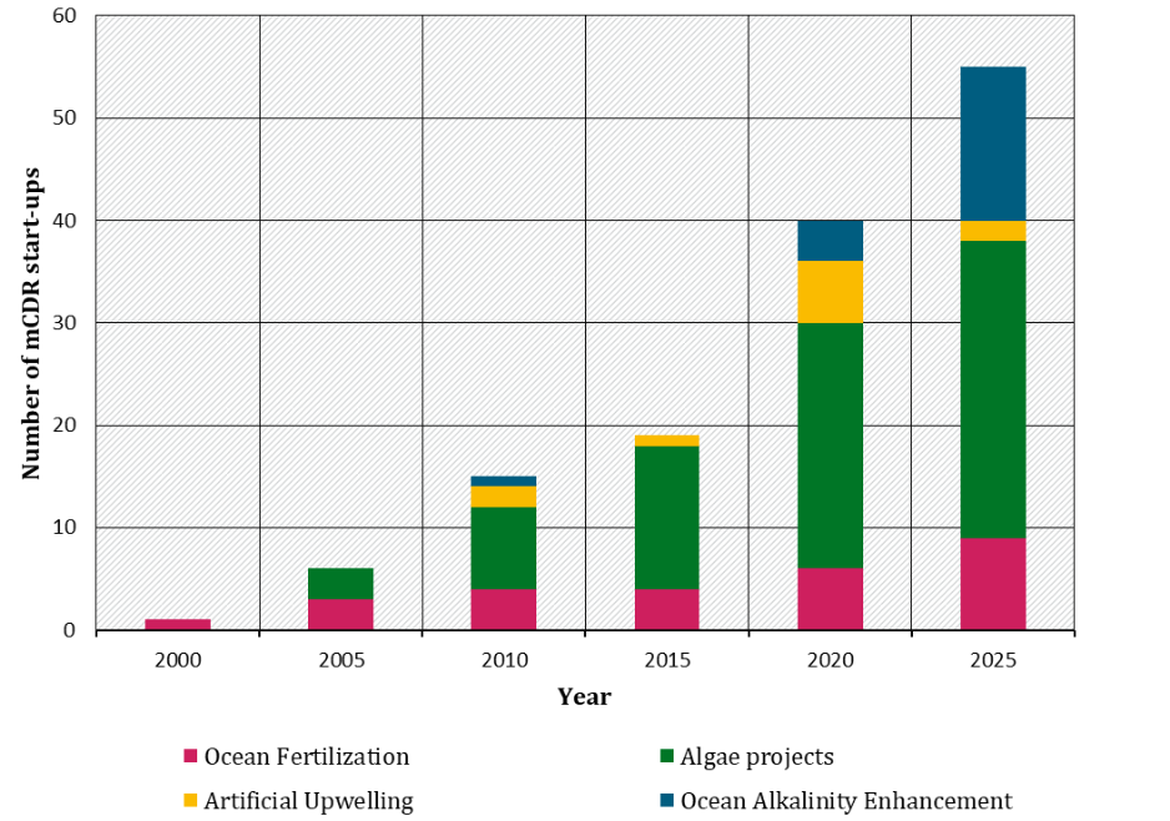
Figure 1 Number of mCDR start-ups globally
(Source: German Environment Agency (UBA), 2025)
2.13. Recent analyses indicate a rapid increase in the number of start-ups pursuing marine carbon dioxide removal (mCDR) approaches, particularly since the mid-2010s. Drawing on publicly available databases, a study conducted by the German Environment Agency (UBA 2025) has shown a steady expansion from a very small number of actors in the early 2000s to more than fifty identified mCDR start-ups globally by 2025 (Figure 1). Growth has accelerated over the past decade, with the number of start-ups approximately doubling between 2015–2020 and again between 2020–2025, alongside a marked increase in field trials, pilot activities, and pre-commercial or commercial operations. The report highlights that this expansion is uneven geographically, with a concentration of company headquarters and activities in a small number of regions, notably North America and parts of Europe.
2.14. The report identifies a shift in the types of mCDR approaches being pursued over time. Earlier activity focused predominantly on ocean fertilisation and artificial upwelling, whereas more recent growth has been driven by ocean alkalinity enhancement, macroalgae cultivation, and biomass sinking approaches. Many start-ups are operating in highly dynamic commercial environments, with frequent changes in company structures, project locations, and stated objectives, and with limited transparency around monitoring, reporting, and verification. Importantly, the review found that many activities blur the boundary between research and deployment, with carbon credits already being marketed or pre-sold despite significant scientific uncertainties and incomplete governance arrangements. These trends underscore the pace at which mCDR concepts are moving from theory to practice, often ahead of robust evidence, regulatory clarity, or coordinated international oversight.
2.15. Overall, while mGE activities are often small-scale, their number and scope have grown substantially. Biomass-related projects alone now account for at least 16 active initiatives in the OSPAR Maritime Area, alongside 8 OAE projects and multiple experimental marine albedo enhancement trials (ACOPS, 2023). In the last five years there has been a strong emphasis on biomass cultivation and sinking, particularly involving kelp and Sargassum. This trend has been driven both by the relative feasibility of cultivating seaweed at scale and by the assumption that seaweed-based approaches offer co-benefits such as habitat creation and nutrient cycling (Froehlich et al., 2019; Paine et al., 2023). In the case of Sargassum, which is a nuisance species, biomass sinking is being proposed as a potential removal approach that could also have climate benefits.
2.16. There are examples that demonstrate how biomass projects have shifted from conceptual frameworks to pilot-scale experimentation. Running Tide, a project which operated under a four-year permit from the Icelandic government until it concluded in 2024, trialled the offshore release of kelp seedlings attached to biodegradable buoys. Following pilot studies, the project had intended to demonstrate carbon sequestration through the sinking of kelp to depths of over 1,000m (Ocean Visions & Monterey Bay Aquarium Research Institute, 2022; Running Tide, 2023). Another project, Macrocarbon SL is working in the Canary Islands to process cultivated Sargassum into biofuel and chemical feedstocks, aiming for gigatonne-scale carbon removal by mid-century (Alfred Wegener Institute, 2023).
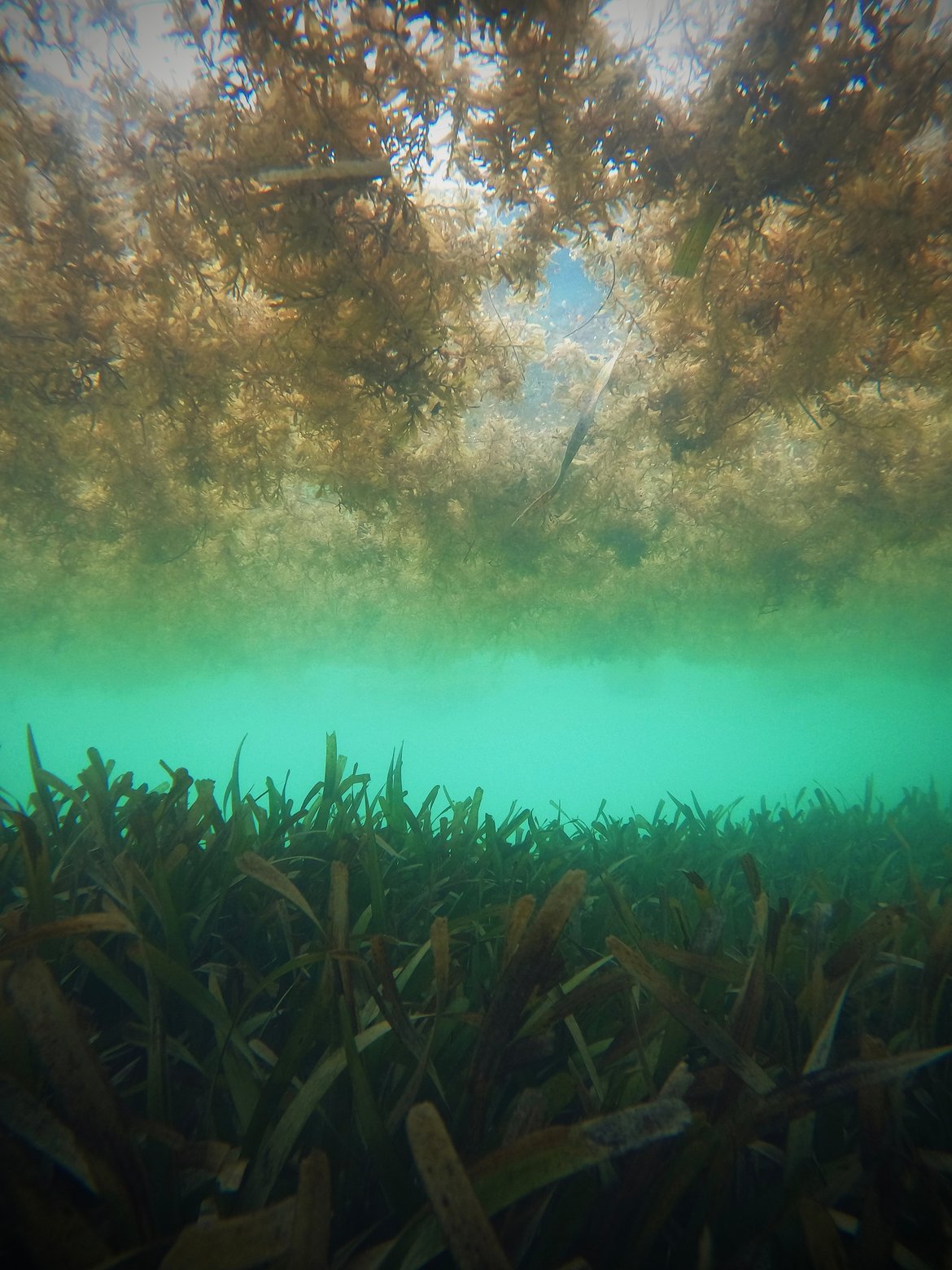
Sargassum is considered a nuisance species, for which biomass sinking has been proposed as a potential removal approach that could also have climate benefits.
2.17. In the Caribbean, where large-scale blooms of wild Sargassum have created severe environmental, social, and economic impacts, management responses have included experimental collection and offshore sinking of Sargassum biomass. Although not primarily designed as a carbon removal technique, such activities share similarities with biomass-based geoengineering approaches and illustrate how the source and ecological context of seaweed material (wild versus cultivated) can substantially influence both environmental risk and perceived benefit. In areas where Sargassum removal mitigates coastal damage, the balance of risk may differ from that of purpose-grown biomass projects intended for carbon sequestration (UNEP-CEP, 2021).
2.18. Alongside this increase in biomass projects, OAE has gained traction, particularly in coastal settings where mineral inputs are readily available. Planetary Technologies’ Cornwall trial showed how industrial materials can be integrated with local wastewater infrastructure to test carbon uptake and monitor alkalinity changes in situ (Kitidis et al. 2024). However, proposals for a follow-up trial were withdrawn pending further information being submitted to the regulator after they attracted public concern, highlighting both the technical and social challenges that continue to shape marine geoengineering research within the OSPAR Maritime Area. Research groups in Finland, Germany, and the Netherlands are similarly working on pilot-scale processes, often linked to broader decarbonisation goals in cement and steel production (Caserini et al., 2022).
2.19. Marine albedo enhancement remains a relatively limited area of activity, with interest to date largely focused on Arctic environments where interventions are hypothesised to have a stronger influence on sea ice and radiative processes. Initiatives associated with the Arctic Ice Project, including proposed activities in the Fram Strait and Beaufort Gyre, have been framed by proponents as seeking to target specific regional processes. However, there remains substantial uncertainty regarding the dispersion of materials and the extent to which resulting environmental effects could be spatially constrained, and no empirical evidence currently demonstrates that impacts can be reliably limited to defined geographic areas (Field et al., 2018; Ivanova et al., 2022).
2.20. Artificial upwelling and downwelling concepts have been explored primarily in subtropical regions. The Ocean Test-ArtUp programme in Gran Canaria has undertaken mesocosm experiments and controlled pump trials since 2017, generating ecological data on plankton responses under experimental conditions (Santos-Bruna et al., 2025). While these studies contribute to understanding potential mechanisms and localised biological responses, they do not demonstrate the feasibility, effectiveness, or environmental implications of deployment beyond small-scale, tightly controlled research settings.
2.21. A further defining trend is the growing role of the private sector. Many of the most active projects are led by start-ups or privately funded ventures seeking to monetise carbon removal via credits or attract investment. This shift has accelerated the pace of experimentation but has also introduced opacity, as commercial sensitivities limit public reporting (European Scientific Advisory Board on Climate Change, 2025). Some initiatives are also being developed based on the pre-sale of carbon credits, introducing economic and profitability pressures on research projects, potential scientific bias and thus risking generating conflicts of interest over the results.
Economic value
3.1. The economic value and cost of marine geoengineering are key factors shaping investment decisions, assessments of scalability, and wider policy interest. At the same time, the extent to which these techniques can deliver durable carbon removal remains under investigation, and potential adverse effects on marine ecosystems across different spatial and temporal scales are not yet well understood. As a result, current cost estimates should be treated as indicative rather than as evidence of proven effectiveness or viability.
3.2. Private funding, from investors, philanthropies and carbon credit trading platforms, plays a substantial role in the advancement of mGE projects. For example, Mirova, a French investment fund, has provided support to projects such as Carbonwave, demonstrating the involvement of institutional finance (Mirova, 2024). A growing number of CDR startups are emerging, notably through the pre-sale of carbon credits. ACOPS notes that much of the funding for mGE is private and therefore “visible only when published and/or otherwise advertised,” (ACOPS, 2023). This is particularly evident in projects targeting carbon credit markets, new technologies, and growing demand for climate solutions. Public funding, including national research grants and European programmes, also contributes to advancing mGE research. However, public-sector transparency requirements and independent verification mechanisms remain limited, making it difficult to evaluate the overall scale and credibility of financial flows as well as the overall scale and credibility of estimates for carbon sequestration.
3.3. The projected cost per unit of carbon removed varies significantly across techniques, with cost being dependent on the effectiveness of the different techniques for carbon removal. Within the OSPAR Maritime Area, biomass cultivation and sinking is the most common approach to mGE. However, the overall effectiveness of such methods depends on whether the captured carbon is durably stored in the deep ocean or re-emitted through decomposition or product use.
3.4. Apart from techniques involving economic co-benefits, most business models for marine geoengineering rely on the sale (or pre-sale) of carbon credits. This provides an income stream to offset research and development and deployment costs. However, the market value of these credits, the credibility of carbon credits, and therefore their economic value depends heavily on robust monitoring, reporting and verification (MRV) to ensure permanence and additionality which are not currently well defined (IPCC 2018). Rigorous MRV frameworks are also required to assess the ecological risks and carbon removal efficiency of geoengineering technologies (Muri et al., 2025). The main expenditures associated with biomass cultivation and sinking include farm infrastructure, harvesting, processing, and transport of biomass to deep-sea sites. Peer-reviewed techno-economic assessments suggest very wide ranges, from USD $20 to over USD $500 per tonne of CO₂ removed, depending on assumptions about permanence and logistics (Froehlich et al., 2019; DeAngelo et al., 2023). As Nemet et al. (2018) observe in the context of bioenergy with carbon capture and storage (BECCS), scaling biomass systems requires significant upfront infrastructure investment, parallels that also apply to marine biomass sinking. These estimates assume efficient long-term storage of organic carbon; in practice, uncertainty over permanence could substantially alter cost-per-tonne calculations.
Ocean alkalinity enhancement (OAE) has also attracted attention in the OSPAR Maritime Area, most notably through Planetary Technology’s Cornwall field trial (Kitidis et al. 2024). Costs here include mining, processing, and transport of carbonate minerals, alongside dispersal infrastructure. Peer-reviewed studies suggest OAE costs in the order of USD $70–$295 per tonne CO₂, though figures vary depending on feedstock, energy intensity, and capture of co-emitted gases (Renforth and Henderson, 2017; Caserini et al., 2022). It should be noted that OAE activity has, to date, not been intended for commercial demonstration, and full-scale deployment costs remain speculative. Marine albedo modification testing was proposed in the Arctic, where projects such as the Arctic Ice Project aimed to deploy reflective materials to reduce sea-ice melt (Arctic Ice Project, 2024). However, the project has recently begun to close down operations due to difficulties in securing funding. The economic profile in this case is dominated by logistical costs of accessing remote regions and scaling material deployment. While operational costs per unit area may be moderate, overall expenditures are high, and ecological risks could lead to substantial liability costs (Jones et al., 2009; Crook et al., 2016)
3.5. The 2013 amendment to the London Protocol seek to limit ocean fertilisation activities to cases of legitimate scientific research. Although there are no examples of ocean fertilisation within OSPAR Regions, it has been conceptually modelled in global high-nutrient, low-chlorophyll regions. Cost estimates vary from only a few dollars to more than USD $1,000 per tonne CO₂, depending on assumptions about carbon retention and ecological impacts (Williamson et al., 2012; Oschlies et al., 2010).
3.6. Beyond direct carbon removal, other mGE projects are also designed to yield economic co-benefits. Seaweed cultivation, for instance, can provide feedstock for biofuels, fertilisers, and animal feed (ProBlue, 2023). However, it may be argued such uses do not constitute marine geoengineering unless the captured carbon is durably sequestered. When the biomass is processed or combusted, the carbon is re-emitted to the atmosphere, meaning it functions more as a conventional aquaculture or bioeconomy activity than a carbon-removal measure. These products may nonetheless offer indirect climate benefits by displacing fossil fuel derived materials or reducing emissions elsewhere in the value chain. Such diversification strengthens economic viability by adding revenue streams beyond carbon credits. At the same time, potential adverse economic implications exist. Ocean fertilisation, for instance, could disrupt fisheries and thereby impose costs on coastal economies (Tagliabue et al., 2023; GESAMP, 2025).
3.7. Potentially near-term economic opportunities associated with mGE projects relate to the projected co-benefits arising from seaweed cultivation, which aligns with broader EU blue economy strategies and could create substantial market and employment benefits (European Commission, 2023). The permanence of carbon sequestration throughout the life cycle, including after algae harvesting, remains uncertain and requires the development of robust MRV mechanisms.
3.8. The direct cost of durable carbon removal is likely to remain high for the foreseeable future. Current evidence indicates that seaweed sinking and OAE both fall in the tens to hundreds of dollars per tonne of CO₂ removed, with MRV, governance, and liability costs adding further uncertainty (McLaren et al., 2023). If marine geoengineering activities are scaled up, the ecological and social risks could lead to significant economic costs (see also paragraph 5.8).
Future Trends
4.1. The trajectory of mGE-related activities in the OSPAR Maritime Area over the next decade will be shaped by scientific feasibility, policy frameworks, international governance, and investment signals. Recent assessments provide insights into which approaches are most likely to expand, how governance may evolve, and what challenges will need to be addressed. However, the extent to which any of these approaches progress beyond controlled scientific research may depend on future governance decisions under instruments such as the London Protocol.
4.2. According to the Joint Group of Experts on the Scientific Aspects of Marine Environmental Protection (GESAMP) 2025 report, research has mainly focused on ocean alkalinity enhancement, biomass sinking, direct ocean removal, artificial upwelling and micro-algal ocean fertilisation. This report highlighted biomass cultivation as one of the most actively pursued ocean interventions globally, with increasing interest from the private sector and carbon markets (GESAMP, 2025). Forward projections suggest that if MRV costs decline, the North Atlantic could see large-scale demonstration farms by the early 2030s (McLaren et al., 2023). These projections remain speculative and assume that large-scale trials demonstrate both durable carbon storage and acceptable environmental risk, neither of which has yet been verified. In addition, uncertainty over permanence and ecological impacts means much of the economic viability may depend on co-benefits such as biofuel, fertiliser, and feed production rather than solely on carbon credits (IPCC, 2022). As noted previously, such co-products represent emission displacement rather than permanent removal and therefore do not meet the definition of marine geoengineering unless accompanied by verified sequestration.
4.3. GESAMP (2025) has also identified OAE as a key focus for future structured assessments under its Integrated Assessment Framework, reflecting both its mitigation potential and associated uncertainties. Over the next decade, OSPAR Contracting Parties are therefore likely to be faced with applications to host further pilot projects, especially in coastal industrial regions of the United Kingdom and north-west Europe, with the potential to transition to larger demonstrations by the mid-2030s. Similarly, a shift in OAE from the marine to the limnic environment is conceivable. This means that alkaline material would be introduced into the sea via rivers.
4.4. Atmospheric modelling published in 2025 underscores that marine cloud brightening (MCB) could generate substantial but uneven regional cooling effects, especially in higher latitudes (Song, 2025). This has implications for Region I, where rapid ice loss is driving consideration of albedo interventions. However, governance and liability concerns remain significant barriers, and both GESAMP (2025) and the IPCC (2022) emphasise that such approaches are unlikely to progress beyond small-scale experiments in the near term.
Pressures and impacts
5.1. Despite uncertainty, mGE interventions may contribute to climate mitigation, but they also exert ecological, social, and governance pressures that must be considered carefully by OSPAR Contracting Parties. The impacts are multifaceted, encompassing direct effects on marine systems, indirect consequences for dependent communities and economies, and systemic risks associated with governance and monitoring. The scale at which such interventions would need to operate to make a measurable climatic difference would magnify these risks, potentially producing basin-scale ecological changes. A further concern is the potential for mGE to undermine decarbonisation ambitions. There is a risk that the development and promotion of marine carbon removal techniques, particularly when driven by commercial or industrial interests, could reduce pressures on states, corporations and communities to pursue the structural emissions reductions required to reach climate neutrality. Governance framework should ensure these techniques compliment rather than substitute for, ambitious emission reduction commitments.
Ecological Impacts
5.2. mGE has the potential for deleterious effects in the marine environment that may be widespread, long lasting or severe (LP, 2013). The nature of ecological consequences of mGE activities depend strongly on the technique deployed, the scale of deployment, and the cumulative nature of interventions. Ocean fertilisation, for example, has been shown in modelling and experimental studies to alter phytoplankton community structure and biogeochemical cycling, with potential downstream effects on oxygen levels and nutrient availability (Williamson et al., 2012; Oschlies et al., 2010; Oschlies et al. 2025). Such changes may cascade into impacts on fisheries productivity and biodiversity, creating risks of ecosystem disruption. Large-scale biomass cultivation and sinking could produce similar nutrient cycle changes but can also generate impacts such as the spread of non-native species, oxygen depletion from biomass decay, alteration of benthic ecosystems, and related habitat availability for fish and invertebrates (GESAMP, 2025; Oschlies at al. 2025). Ocean alkalinity enhancement (OAE) may increase turbidity, introduce trace metal release, lead to shifts in carbonate chemistry that could affect calcifying organisms and change plankton communities (Renforth and Henderson, 2017; Caserini et al., 2022). Depending on the source and type of material introduced, the oceanographic conditions and the scale of deployment, these impacts can spread far beyond deployment sites. However, scientific knowledge of these effects is still in its infancy.
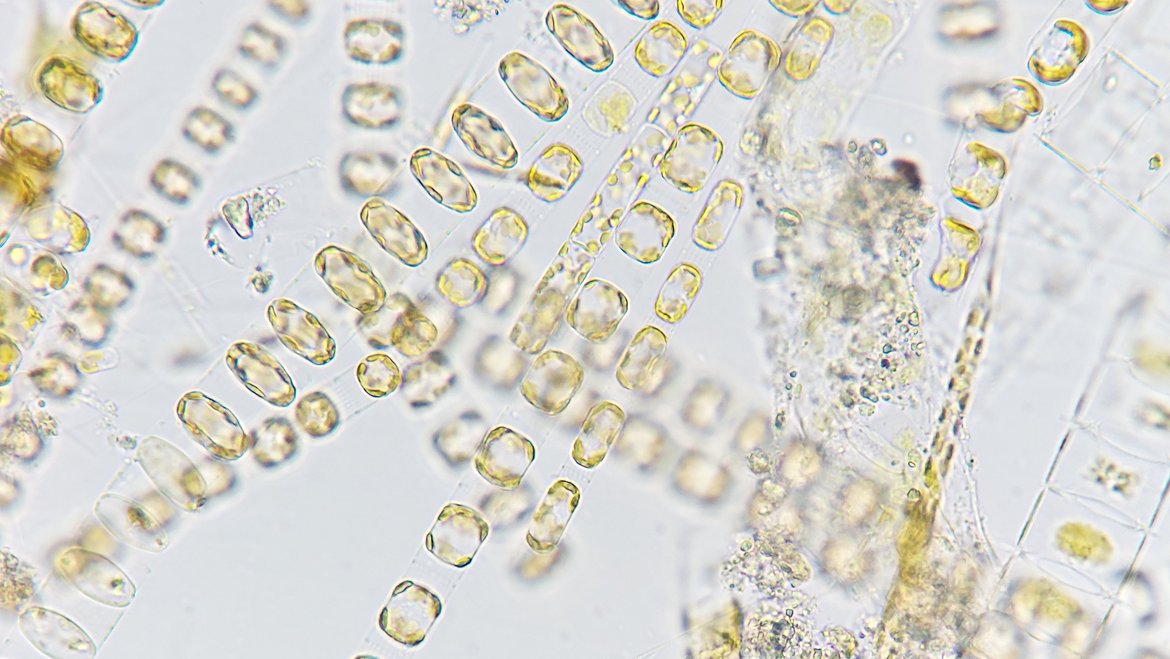
Ocean fertilisation has been shown in modelling and experimental studies to alter phytoplankton community structure
5.3. For instance, the RETAKE (CDRmare) project is currently exploring enhanced benthic weathering (adding alkaline minerals to seafloor sediments) in coastal settings. Early results suggest that mineral type (e.g., calcite vs dunite), oxygenation conditions, and microbial community responses strongly influence CO₂ uptake efficiency and side-effects such as trace-metal mobilisation or altered microbial metabolism. These experiments highlight that the ecological consequences of alkalinity enhancement are highly context-dependent and may interact nonlinearly with local biogeochemistry and microbial feedback loops (Löschke et al., 2025).
5.4. Marine albedo enhancement and marine cloud brightening involve actions that modify physical processes such as light penetration, temperature gradients, and precipitation patterns, leading to ecological risks that differ in mechanism and scale from those associated with biological or chemical interventions. Modelling suggests these changes could be regionally uneven, potentially mitigating warming in some areas while creating new climatic stresses in others (Jones et al., 2009; Song, 2025). The ecological pressures of such physical interventions therefore extend beyond marine ecosystems to terrestrial systems influenced by altered hydrological cycles. If applied at scales sufficient to influence regional climate, these methods could generate transboundary environmental effects, reinforcing the need for strict precaution and international coordination.
Socio-economic Impacts
5.5. The pressures generated by mGE extend beyond ecological change to human communities. For fisheries and aquaculture sectors in the OSPAR Maritime Area, interventions such as biomass sinking or ocean fertilisation could disrupt target species abundance or shift stock distributions, affecting livelihoods (Williamson et al., 2012; GESAMP, 2025). Conversely, seaweed cultivation projects may create employment and stimulate new markets in biofuels and bioproducts (European Commission, 2023), underscoring the dual potential for co-benefits and trade-offs. However, mGE interventions also raise social concerns. For example, local communities have opposed proposed trials, such as those in Cornwall, citing transparency, ecological risk and lack of consultation.
5.6. Tourism and coastal amenity may also be affected. Large-scale coastal infrastructure for OAE or seaweed cultivation could alter seascapes, generate competition for space, and raise questions of public acceptability. For small communities, particularly those reliant on fisheries, the socio-economic costs of ecological disruption could outweigh climate-related benefits if governance frameworks do not adequately manage distributional effects (IPCC, 2022).
5.7. If marine geoengineering were ever deployed at the scale required to make a measurable climate impact, the per-unit risks of ecological and social harm would likely escalate nonlinearly. For example, one modelling study of large-scale alkaline enhancement estimates that capturing 10 billion tonnes CO₂ per year could generate ~20 billion tonnes of solid byproducts annually, require ~1 800 large facilities, and demand enormous energy and chemical inputs, causing substantial coastal land use, chemical handling hazards, and habitat disruption (Geoengineering Monitor, 2025).
5.8. Similarly, climate-scale fertilisation or biomass sinking would need to operate over hundreds to thousands of square kilometres. At such scale, even small per-area changes in nutrient cycles, oxygen drawdown, benthic decomposition, or light attenuation could cumulatively produce widespread, long-lasting or severe harm.
5.9. As a result of such risks, Parties to LC/LP reaffirmed in a statement at the 2023 meeting (LC 45 / LP 18), that marine geoengineering activities other than legitimate scientific research should be deferred, given the considerable uncertainty around environmental impacts and human health (IMO, 2023). Until governance, monitoring, and baseline science have matured, deploying at climate-relevant scales remains a high-risk proposition where potential benefit is shadowed by the prospect of cumulative systemic damage.
Governance
6.1. At the global level, the London Convention (1972) and the London Protocol (1996) (LC/LP) is developing regulations for mGE activities. LC/LP is identified as an applicable global regulatory mechanism due to the remit to prevent, reduce and where practicable eliminate pollution of the sea caused by the introduction, directly or indirectly, by human activity, of wastes or other matter into the sea. Following early concerns over large-scale ocean fertilisation, the LC/LP parties adopted a 2008 resolution prohibiting ocean fertilisation activities other than those conducted for legitimate scientific research (Resolution LC-LP.1 (2008) on the Regulation of Ocean Fertilization). In 2013, Contracting Parties to the LP adopted an amendment to establish a more formal framework for assessing certain marine geoengineering activities, through a permitting and risk assessment process initially focused on ocean fertilisation.
6.2. Although the 2013 Amendment has not entered into force, having not yet been ratified by the required number of Parties, nine States have ratified it to date, six of which are Contracting Parties to the OSPAR Convention (Denmark, Finland, Germany, the Netherlands, Norway, and the United Kingdom). Some of these States are, however, awaiting the formal entry into force of the Amendment before implementing it at national level. Discussions on expanding the amendment to include the regulation of new approaches such as ocean alkalinity enhancement and biomass sinking are ongoing (IMO, 2023). Within the OSPAR framework, there is information sharing including on some research activities for marine geoengineering techniques in the OSPAR Maritime Area.
6.3. Since 2013, the LC/LP has served as the principal multilateral platform for evaluating new mGE approaches, with Contracting Parties considering a broader framework that could regulate additional techniques such as ocean alkalinity enhancement and biomass sinking. At their 2023 meeting, Contracting Parties agreed that emerging techniques such as ocean alkalinity enhancement and biomass sinking raise specific environmental and governance concerns requiring further examination. In response, dedicated science, legal, and policy groups have been tasked with advancing work on these techniques, including the review of the assessment framework for scientific research involving ocean fertilisation, which was developed as part of the 2013 Amendment, and the development of assessment frameworks for other marine geoengineering techniques (IMO, 2023). These deliberations stress the precautionary principle, transparency, and the need for prior impact assessments, including through consultation processes.
6.4. The LC/LP currently provides the only detailed framework adopted by an intergovernmental process for considering mGE activities. This framework includes, in addition to the 2013 Amendment to the London Protocol, a number of resolutions and statements that were jointly adopted by CPs to the London Convention and the London Protocol.
6.5. As of 2025, most OSPAR Contracting Parties have ratified the London Protocol, providing a shared legal basis for controlling marine geoengineering activities within the North-East Atlantic. As of 5 November 2025, The London Protocol had 56 CPs. Two thirds of the CPs must adopt the amendment for it to come into force.
6.6. Although OSPAR has not adopted a binding instrument specific to mGE, OSPAR Decision 2007/01 prohibits the storage of carbon dioxide streams in the water column or on the seabed. Discussions are ongoing on how existing obligations and principles under the OSPAR Convention, such as those relating to biodiversity conservation and pollution prevention, apply to geoengineering activities, and could be used to provide a legal basis for restricting or conditioning activities that could cause harm.
6.7. GESAMP is also playing a key role through its Working Group for Ocean Climate Interventions, which is developing an Integrated Assessment Framework (IAF) for ocean interventions (GESAMP, 2025). As the work is ongoing, the framework has not yet been finalised or adopted. The framework is intended to provide structured criteria for evaluating ecological, economic, and social impacts of different techniques, once appropriate governance arrangements are in place. In future, this framework is expected to guide both national regulators and international bodies in consistent decision-making.
6.8. While at the global level LC/LP is currently the most developed instrument for the regulation of mGE activities, it can be considered, in due time, whether the BBNJ Agreement could play a role in regulating these techniques. For example, by adopting the Assessment Frameworks developed under LC/LP as standards or guidelines under the chapter on environmental impact assessments.
6.9. The European Commission’s Directorate-General for Climate Action (DG CLIMA) is supporting ongoing work to advance understanding of marine carbon dioxide removal and its governance implications, including through expert workshops on research, permitting, and monitoring. These initiatives highlight the need for closer coordination between scientific, regulatory, and commercial actors to ensure that governance evolves in parallel with technological and commercial developments.
6.10. Taken together, existing global and regional frameworks provide an important precautionary foundation, but as yet a comprehensive or operational governance regime for marine geoengineering is not in place. In practice, a gap remains between the pace of technological and commercial activity and the development of clear, enforceable oversight arrangements. A growing number of private actors are progressing ocean-based carbon removal and alkalinity enhancement concepts through pilots, field trials, or pre-commercial activities in the absence of agreed international or regional rules on authorisation, monitoring, and accountability. This emerging gap between innovation and governance has been identified by expert bodies as a key risk area which will need to be resolved before legitimate commercial activity can be considered. This is key to ensuring environmental protection, transparency, and consistency across jurisdictions.
6.11. At a nation state level, Germany has ratified the London Protocol provisions by amending key domestic legislation. The 1998 High Seas Dumping Act and the 2009 Water Management Act were updated in 2020–2021 to explicitly prohibit all marine geoengineering activities, with the exception of ocean fertilisation which remains allowed for research purposes (UBA 2022). The legislation is currently under revision to allow for research on additional marine geoengineering techniques.
6.12. The Netherlands has ratified and implemented the London Convention and Protocol, including the 2013 Amendment. The 2013 Amendment was implemented through its implementation act of 2018. This act includes the obligation to assess any applications for legitimate scientific research for mGE by applying the assessment framework(s) as established under LC/LP. A permit for legitimate scientific research may only be given if it is determined through the application of the assessment framework(s) that the effects on the marine environment are prevented or minimised. The 2018 Act has since been included in the 2024 Environment and Planning Act.
6.13. In the United Kingdom, marine geoengineering proposals are subject to local regulation under the existing regulatory frameworks. The regulator has ensured that such novel technologies are subject to proportionate, risk-based regulation, requiring environmental monitoring and mechanisms for immediate suspension of activities in case of environmental risks (UK Government, 2010). Similar precautionary licensing or permitting mechanisms exist in several other OSPAR countries. Together, these national approaches reflect a broadly consistent regional approach on precaution, regulatory oversight, and the use of existing legal instruments to control marine geoengineering activities within the OSPAR Maritime Area.
Conclusion
Key messages2
7.1. Marine geoengineering (mGE) in the OSPAR Maritime Area has expanded since 2020, moving from conceptual studies to small-scale research trials, particularly in biomass cultivation and ocean alkalinity enhancement.
7.2. Private sector initiatives are accelerating trials, often with limited public transparency over funding sources or oversight mechanisms. This growing commercial involvement raises questions around transparency, accountability, ability to deliver research with required scientific standards and monitoring highlighting the need to ensure that early-stage commercial activities are thoroughly assessed, including in line with LC/LP assessment frameworks where these apply.
7.3. Scientific knowledge gaps and uncertainties remain high across all marine geoengineering techniques, particularly in relation to their net climate benefits and their potential impacts on marine ecosystems, including effects arising from small-scale or pilot deployments. Evidence is currently limited on the effectiveness, permanence, and reversibility of many proposed approaches, as well as on their interactions with complex marine biogeochemical and ecological processes. These scientific uncertainties, which are distinct from but closely linked to governance considerations, underpin the need for a strong precautionary approach in line with OSPAR principles and the broader duty to prevent pollution and protect the marine environment. In parallel, closer alignment between climate policy and marine environmental protection frameworks is required to ensure that any research or potential application of such techniques is assessed and managed in a coherent and environmentally responsible manner.
7.4. OSPAR may wish to strengthen regional coordination and engagement with global frameworks (e.g., LC/LP, GESAMP) to address knowledge gaps and ensure coherence with international governance mechanisms. This could include more systematic information-sharing on research permitting, monitoring practices, and outcomes of pilot projects among Contracting Parties.
Distribution and intensity of activity
7.5. The OSPAR Maritime Area currently hosts 48 of the 147 mGE projects in development globally, demonstrating there is high interest in mGE activities within this region. However, in line with LC/LP requirements, such projects remain in early research or trial stages. Activities are located in Arctic Waters (Region I), Greater North Sea (Region II), Celtic Seas (Region III), and Wider Atlantic (Region V).
7.6. Biomass cultivation and/or sinking projects are the most researched techniques across all OSPAR Regions, where supported by suitable waters and infrastructure, and taking into account risks associated with invasive or non-native species. Ocean alkalinity enhancement (OAE) trials are clustered in the United Kingdom in Region II. Artificial upwelling/downwelling projects have been pursued in the Canary Islands, and marine albedo enhancement efforts are focused on the Fram Strait and Svalbard.
Trends
7.7. Since 2020, biomass-based carbon removal (kelp and Sargassum) has become the most prominent focus. This trend is driven by the feasibility of cultivating seaweed at scale and the assumption that seaweed-based approaches offer "co-benefits" like habitat creation and nutrient cycling. This assumption is not always true as there are also risks to the marine environment and conflicts with local communities.
7.8. Ocean alkalinity enhancement (OAE) has also gained traction, especially in coastal settings where mineral inputs are readily available.
7.9. Marine albedo enhancement, while less widespread, has garnered targeted interest in Arctic environments due to its potential impact on sea ice dynamics, exemplified by The Arctic Ice Project. Artificial upwelling and downwelling efforts have continued in the subtropics, with the Ocean ArtUp programme in Gran Canaria conducting trials since 2017.
Economic value
7.10. Economic prospects have been suggested to be strongest for biomass cultivation, which aligns with EU blue economy strategies. Costs remain variable, ranging from tens to hundreds of USD per tonne CO₂ removed, and depend heavily on robust monitoring, reporting and verification (MRV). Near-term viability relies more on co-products and market diversification than on durable carbon credits alone.
7.11. It has been suggested that mGE projects can offer additional economic benefits by generating secondary uses; for example, seaweed cultivation can provide feedstock for biofuels, fertilisers, and animal feed. However, potential environmental risks, such as ocean fertilisation disrupting fisheries, carry economic implications.
7.12. The private sector plays a significant role in financing and conducting marine geoengineering projects. The development of start-ups relying on the pre-sale of carbon credits introduces challenges related to transparency and may create commercial pressures that could influence both research and its outcomes.
Pressures and impacts
7.13. mGE interventions, while potentially contributing to climate mitigation, also exert ecological, social, and governance pressures that OSPAR Contracting Parties must carefully consider. Ecological risks include, but are not limited to, altered nutrient cycling, changes to benthic habitats, and shifts in carbonate chemistry.
7.14. Socio-economic impacts are mixed as seaweed cultivation may create jobs and new markets, but fisheries and tourism could face disruption. For small communities reliant on fisheries, the socio-economic costs of ecological disruption could outweigh any future climate-related benefits if governance frameworks do not adequately manage distributional effects.
Measures
7.15. Globally, governance is anchored in the LC/LP, which is approaching mGE through a science-based precautionary approach. Based on this and the scientific evidence provided, Contracting Parties have focused on filling evidence gaps and further developing the evidence base before considering the potential deployment of mGE. While alignment between climate-mitigation ambitions and marine environmental protection policies remains an ongoing challenge, governance frameworks have intentionally focused on developing effective assessment and control mechanisms and a preference for limiting activities to research contexts, rather than enabling or regulating large-scale deployment at this stage.
7.16. The Joint Group of Experts on the Scientific Aspects of Marine Environmental Protection (GESAMP) is developing an Integrated Assessment Framework (IAF) for ocean interventions, which aims to provide structured criteria for evaluating ecological, economic, and social impacts.
7.17. Within OSPAR, the precautionary principle and the ecosystem approach, together with related commitments under the Convention, provide a legal and policy basis for addressing marine geoengineering activities. This is complemented by the evolving practice under the LC/LP, where a series of resolutions and statements have established an active working approach to marine geoengineering, including the development of the Ocean Fertilisation Assessment Framework (OFAF) and its application to legitimate scientific research. These instruments explicitly envisage the adaptation of assessment frameworks for other marine geoengineering techniques. Six Contracting Parties to OSPAR have ratified the LP 2013 amendment (Denmark, Finland, Germany, the Netherlands, Norway, and the United Kingdom) reinforcing a precautionary, research-limited approach to marine geoengineering.
Footnotes
1 The Geoengineering Monitor dataset includes a broad range of proposed or conceptual interventions, some of which may not meet the marine geoengineering definition under the LC/LP (e.g. land-based projects). Data reviewed and filtered to the extent possible for marine relevance. Information up to date as of October 2025.
2 The views expressed on key messages are those of the assessor and do not necessarily represent the views of the OSPAR Commission
References
ACOPS (2023). Information Note on Scientific Research for Marine Geoengineering Activities in the OSPAR Marine Area. Advisory Committee on Protection of the Sea. Available at: http://www.acops.org.uk/wp-content/uploads/2025/06/ACOPS-Information-Note_mGE-research-in-OSPAR-Area_Rev1.pdf
Alfred Wegener Institute (2023). New Start-up develops aquafarms for macroalgae [press release], 27 April 2023. Available at: https://www.awi.de/en/about-us/service/press/single-view/neue-awi-ausgruendung-liefert-klimaschonende-grundstoffe-fuer-die-industrie.html. [Accessed: 30 October 2025].
Arctic Ice Project (2024). Arctic Ice Project Annual Report, 2023-2024. Available at: https://www.arcticiceproject.org/wp-content/uploads/2024/11/arctic-ice-project-annual-report-2024forweb.pdf
Caserini, S., Storni, N., & Grosso, M. (2022). The availability of limestone and other raw materials for ocean alkalinity enhancement. Global Biogeochemical Cycles, 36, e2021GB007246. Available at: https://doi.org/10.1029/2021GB007246
Crook, J. A., L. S. Jackson, S. M. Osprey, and P. M. Forster (2015). A comparison of temperature and precipitation responses to different Earth radiation management geoengineering schemes, J. Geophys. Res. Atmos., 120, 9352–9373, doi:10.1002/2015JD023269. Available at: https://agupubs.onlinelibrary.wiley.com/action/showCitFormats?doi=10.1002%2F2015JD023269
DeAngelo, J., Saenz, B.T., Arzeno-Soltero, I.B., Frieder, C.A., Long, M.C., Hamman, J., Davis, K.A. & Davis, S.J. (2023) Economic and biophysical limits to seaweed farming for climate change mitigation. Nat. Plants 9, 45–57. Available at: https://doi.org/10.1038/s41477-022-01305-9
European Commission (2023). The EU Blue Economy Report. 2023. Publications Office of the European Union. Luxembourg. Available at: The EU blue economy report 2023 - Publications Office of the EU
European Commission (2025). EU Blue Economy Report 2025 – Marine renewable energy section. Available at: https://op.europa.eu/webpub/mare/eu-blue-economy-report-2025/blue-economic-sectors/marine-renewable-energy.html
European Scientific Advisory Board on Climate Change (2025). Scaling up carbon dioxide removals, Recommendations for navigating opportunities and risks in the EU. Doi:10.2800/3253650. Available at: https://climate-advisory-board.europa.eu/reports-and-publications/scaling-up-carbon-dioxide-removals-recommendations-for-navigating-opportunities-and-risks-in-the-eu
Field, L., Ivanova, D., Bhattacharyya, S., Mlaker, V., Sholtz, A., Decca, R., Manzara, A., Johnson, D., Christodoulou, E., Walter, P. and Katuri, K. (2018). Increasing Arctic sea ice albedo using localized reversible geoengineering. Earth's Future, 6(6), pp.882-901. Available at: https://doi.org/10.1029/2018EF000820
Froehlich, H. E., Afflerbach, J. C., Frazier, M., & Halpern, B. S. (2019). Blue growth potential to mitigate climate change through seaweed offsetting. Current Biology, 29(18), 3087–3093. ISSN 0960-9822. Available at https://doi.org/10.1016/j.cub.2019.07.041.
Geoengineering Monitor (2021) Quarterly Review #2: Marine Geoengineering. Available at: https://www.geoengineeringmonitor.org/quarterly-review-2-marine-geoengineering
German Environment Agency (UBA), 2022. Ocean-based Carbon Dioxide Removal and Marine Geoengineering: Legal Frameworks and Governance Challenges.
German Environment Agency (UBA), 2025. The Wild Wild West in our Oceans? The role of start- ups in marine CDR. https://www.umweltbundesamt.de/publikationen/the-wild-wild-west-in-our-oceans
GESAMP (2025). Ocean Interventions for Climate Change Mitigation (WG41). Joint Group of Experts on the Scientific Aspects of Marine Environmental Protection. Available at: https://www.gesamp.org/work/groups/41
Greenpeace, OEI, ACOPS (2025). Marine Geoengineering Research Activities and Interests Are Not Restricted to the Global North. Submission to the Scientific Group of the London Convention and Protocol, LC/SG 48/3/4.
IMO (2023) 45th Consultative Meeting of Contracting Parties to the London Convention and the 18th Meeting of Contracting Parties to the London Protocol (LC 45/LP 18). Available at: https://www.imo.org/en/mediacentre/meetingsummaries/pages/lc-45-lp-18.aspx
IMO (2025) LC/SG 48/3/4 Circular on Marine Geoengineering
IPCC (2022). Climate Change 2022: Mitigation of Climate Change. Contribution of Working Group III to the Sixth Assessment Report of the IPCC. Cambridge University Press. Available at: https://www.ipcc.ch/report/ar6/wg3/
IPCC. (2018). Global Warming of 1.5°C. An IPCC Special Report. Intergovernmental Panel on Climate Change. World Meteorological Organization, Geneva, Switzerland. Available at: https://www.ipcc.ch/sr15/
Ivanova, D., Bhattacharyya, S., Field, L., Mlaker, V., Strawa, A., Player, T., & Sholtz, A. (2021). Fram Strait: Possible key to saving Arctic ice. [Preprint, not peer-reviewed]. Available at: https://assets-eu.researchsquare.com/files/rs-235909/v1_covered.pdf?c=1631857024
Ivanova, D., Bhattacharyya, S., Strawa, A., Zornetzer, S., Olinger, S., Field, L., Ivanov, A., Kusnadi, E. and Kim, J. (2025) Evaluating the impacts of localized artificial enhancement of sea ice albedo over Beaufort Gyre towards restoring Arctic Sea Ice. Cold Regions Science and Technology, p.104657. Available at: https://www.sciencedirect.com/science/article/pii/S0165232X2500240X?casa_token=BKKztfS8I70AAAAA:uC_r1Gw_qmTkWcotnnECD6IOeotxixgoP_53GaRDuaDcGMPeH5lUmFR2wokMuwFTLHcyywAJuQ
Jones, A., Haywood, J. M., & Boucher, O. (2009). Climate impacts of geoengineering marine stratocumulus clouds. Journal of Geophysical Research: Atmospheres, 114(D10). Available at: https://agupubs.onlinelibrary.wiley.com/doi/full/10.1029/2008JD011450
Kitidis, V., Rackley, S. A., Burt, W. J., Rau, G. H., Fawcett, S., Taylor, M., Tarran, G., Woodward, M., Harris, C & Fileman, T. (2024). Magnesium hydroxide addition reduces aqueous carbon dioxide in wastewater discharged to the ocean. Communications Earth & Environment, 5(1), 354. Available at: https://www.nature.com/articles/s43247-024-01506-4
Löschke, S., Oschlies, A., Boersma, M., Fuhr, M., Hauck, J., Moosdorf, N., Strefler, J., Rehder, G., Riebesell, U., Riekhof, M.-C., Suitner, N., Voss, R. and the RETAKE-Konsortium (2025). New findings on capturing CO₂ by increasing the alkalinity of seawater: The seven most important outcomes of RETAKE research, pp. 1-12, DOI 10.3289/CDRmare.52. Available at: https://oceanrep.geomar.de/id/eprint/62183/1/insights_RETAKE_en_250422.pdf
Lyons, Y., Santillo, D., Catonini F. (2024). Legitimate Scientific Research: Objective Scientific Assessment of Marine Geoengineering Activities under the London Convention and London Protocol, Int'l J. Mar. and Cost. Law - doi:https://doi.org/10.1163/15718085-bja10196. (Open source)
Mercer L, Burke J and Rodway-Dyer S (2024). Towards improved cost estimates for monitoring, reporting and verification of carbon dioxide removal. London: Grantham Research Institute on Climate Change and the Environment, London School of Economics and Political Science. Available at: https://www.lse.ac.uk/granthaminstitute/wp-content/uploads/2024/10/Towards-improved-cost-estimates-for-monitoring-reporting-and-verification-of-carbon-dioxide-removal-.pdfMirova. (2024). Sustainable Ocean Fund, Impact Report 2023. Available at: https://www.mirova.com/sites/default/files/2024-07/sustainable-ocean-fund-sof-2023-impact-report.pdf
Muri, H., Sulpis, O., Argüello, G., Baker, C. A., Böettcher, M., García-Ibáñez, M. I., Kuliński, K., Landolfi, A., Landschützer, P., McGovern, E., Ninčević Gladan, Ž., Oschlies, A., Yfantis, E. A. (2025). Monitoring, Reporting and Verification for Marine Carbon Dioxide Removal. Muñiz Piniella, A., Rodriguez Perez, A., Kellett, P., Alexander, B., Bayo Ruiz, F., Heymans, J. J. [Eds.] Future Science Brief N°. 13 of the European Marine Board, Ostend, Belgium. ISSN: 2593-5232. ISBN: 9789464206388. DOI: https://doi.org/10.5281/zenodo.17435116
Nemet, G. F., Callaghan, M. W., Creutzig, F., Fuss, S., Hartmann, J., Hilaire, J., Lamb, W.F., Minx, J.C., Rogers, S. & Smith, P. (2018). Negative emissions—Part 3: Innovation and upscaling. Environmental Research Letters, 13(6), 063001. Available at: https://iopscience.iop.org/article/10.1088/1748-9326/aabff4
Ocean Visions & Monterey Bay Aquarium Research Institute. (2022). Answering critical questions about sinking macroalgae for carbon dioxide removal: A research framework to investigate sequestration efficacy and envrionmental impacts. Available at: https://oceanvisions.org/wp-content/uploads/2022/10/Ocean-Visions-Sinking-Seaweed-Report_FINAL.pdf
Ortiz, J., Arístegui, J., Hernández-Hernández, N., Fernández-Méndez, M., & Riebesell, U. (2022a). Oligotrophic phytoplankton community effectively adjusts to artificial upwelling regardless of intensity, but differently among upwelling modes. Frontiers in Marine Science, 9, 880550. Available at: https://doi.org/10.3389/fmars.2022.880550
Ortiz, J., Arístegui, J., Taucher, J., & Riebesell, U. (2022b). Artificial upwelling in singular and recurring mode: Consequences for net community production and metabolic balance. Frontiers in Marine Science, 8, 743105. Available at: https://www.frontiersin.org/journals/marine-science/articles/10.3389/fmars.2021.743105/full
Oschlies, A., Pahlow, M., Yool, A., & Matear, R. J. (2010). Climate engineering by artificial ocean upwelling: Channelling the sorcerer’s apprentice. Geophysical Research Letters, 37(4). Available at: https://agupubs.onlinelibrary.wiley.com/doi/full/10.1029/2009GL041961
Oschlies, A., Slomp, C.P., Altieri, A.H., Gallo, N.D., Gregoire, M., Isensee, K., Levin, L.A., & Wu, J. (2025). Potential impacts of marine carbon dioxide removal on ocean oxygen. Environmental Research Letters, 20, 073002. Available at: https://doi.org/10.1088/1748-9326/ade0d4
Paine, R., Brander, L., et al. (2023). Potential and limitations of macroalgal carbon dioxide removal. Communications Biology, 6, 4962. Available at: https://www.nature.com/articles/s42003-023-04962-4
ProBlue (2023). Global Seaweed: New and Emerging Markets Report. 2023 International Bank for Reconstruction and Development / The World Bank. Available at: https://documents1.worldbank.org/curated/en/099081423104548226/pdf/P175786073c14c01609fe409c202ddf12d0.pdf
Renforth, P., and G. Henderson (2017). Assessing ocean alkalinity for carbon sequestration, Rev. Geophys., 55, 636–674, doi:10.1002/2016RG000533. Available at: https://agupubs.onlinelibrary.wiley.com/doi/full/10.1002/2016RG000533
Running Tide. (2023). Running Tide Technologies ocean carbon removal research roadmap. Available at: https://assets-global.website-files.com/61f2f7381f60618eb5879371/64093a7884b6bf7bb0716385_Research%20Roadmap%20(2023).docx.pdf
Santos-Bruna, J. J., Hernández-Hernández, N., Montero, M. F., Gómez-Letona, M., Baumann, M., Taucher, J., & Arístegui, J. (2025). Assessment of potential eutrophication in coastal waters of Gran Canaria: Impact on plankton community under CO2 depletion. Marine Environmental Research, 204, 106919. Available at: https://www.sciencedirect.com/science/article/pii/S0141113624005804
Song, Z., Yu, S., Li, P., Yao, N., Chen, L., Sun, Y., Jiang, B. & Rosenfeld, D. (2025) The effectiveness of solar radiation management using fine sea spray across multiple climatic regions, Atmos. Chem. Phys., 25, 2473–2494. Available at: https://doi.org/10.5194/acp-25-2473-2025
Tagliabue, A., Twining, B. S., Barrier, N., Maury, O., Berger, M., & Bopp, L. (2023). Ocean iron fertilization may amplify climate change pressures on marine animal biomass for limited climate benefit. Global Change Biology, 29(18), 5250-5260. Available at: https://onlinelibrary.wiley.com/doi/full/10.1111/gcb.16854
UK Government (2010). Government Response to the House of Commons Science and Technology Committee 5th Report of Session 2009-10: The Regulation of Geoengineering. ISBN: 9780101793629. Available at: https://assets.publishing.service.gov.uk/media/5a78b21640f0b632476996fa/569-gov-response-commons-science-tech-5th.pdf
United Nations Environment Programme- Caribbean Environment Programme (UNEP-CEP) (2021). Sargassum White Paper – Turning the crisis into an opportunity. Ninth Meeting of the Scientific and Technical Advisory Committee (STAC) to the Protocol Concerning Specially Protected Areas and Wildlife (SPAW) in the Wider Caribbean Region. Kingston, Jamaica.
Webb, R. (2023). The Evolving Legal Landscape for Ocean-Based Carbon Dioxide Removal. Columbia Law School – Sabin Centre for Climate Law. Available at https://blogs.law.columbia.edu/climatechange/2023/09/28/the-evolving-legal-landscape-for-ocean-based-carbon-dioxide-removal
Williamson, P., Wallace, D. W. R., Law, C. S., Boyd, P. W., Collos, Y., Croot, P., Denman, K., Riebesell, U., & Turley, C. (2012). Ocean fertilization for carbon sequestration: A review of effectiveness, environmental impacts and emerging governance. Process Safety and Environmental Protection, Volume 90, Issue 6, 2012, Pages 475-488, ISSN 0957-5820. Available at: https://doi.org/10.1016/j.psep.2012.10.007.